
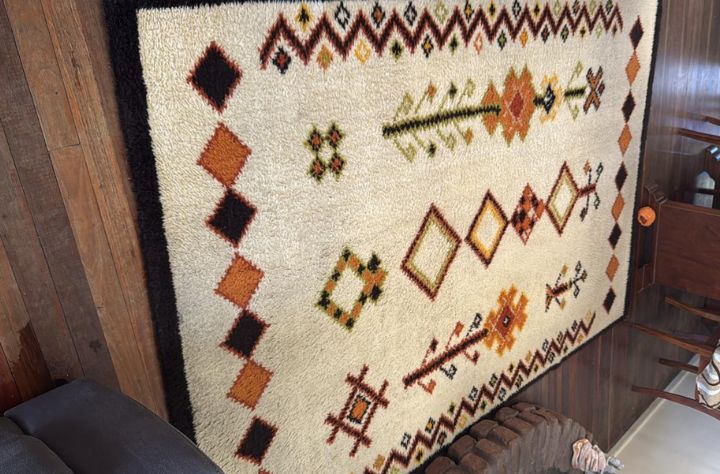
Rugs do more than cover the floor. They add warmth, colour, and comfort to a home. They soften sound, define a room, and make a house feel lived in. But rugs also take a lot of punishment. Every day, they collect dust, dirt, allergens, and spills. Over time, even the best cared for rug begins to look tired.
Professional rug cleaning is one of the most effective ways to restore a rug's appearance and extend its life. But many homeowners are not sure what professional rug cleaning involves, when it is needed, or how to choose the right cleaner. This guide covers all of that.
Whether you own a modern synthetic rug, a hand knotted wool piece, or a delicate silk heirloom, this article will help you understand what professional rug cleaning in Australia looks like in 2026. It covers the methods professionals use, the steps involved, the costs, and how to keep your rug looking its best between cleanings.
Types of Rugs Common in Australian Homes
Different rugs need different care. Understanding what your rug is made of is the first step to cleaning it properly.
Synthetic Rugs
Synthetic rugs are made from manufactured fibres such as polypropylene, nylon, polyester, and acrylic. These are the most common rugs in Australian homes. They are affordable, stain resistant, and durable. Many are machine made and can handle regular cleaning.
Synthetic rugs dry faster than natural fibre rugs and are less likely to shrink. Most can be cleaned with hot water extraction. However, lower quality synthetics may shed or fade over time, especially in direct sunlight.
Wool Rugs
Wool is a natural fibre that has been used for centuries. Wool rugs are soft, durable, and naturally stain resistant due to the lanolin coating on each fibre. They are popular in Australia for their warmth and texture.
Wool rugs require more care than synthetics. They absorb more water, take longer to dry, and can shrink or felt if cleaned incorrectly. Professional cleaning is recommended for wool rugs, particularly those with a natural backing such as jute or cotton.
Silk Rugs
Silk rugs are prized for their softness, shine, and intricate patterns. They are often handmade and can be very expensive. Silk fibres are delicate and sensitive to water and cleaning chemicals.
Silk rugs should only be cleaned by professionals who specialise in delicate fibres. Hand washing is the preferred method. Steam cleaning is not suitable for most silk rugs. Even mild detergents can damage the fibres or cause colour bleeding.
Natural Fibre Rugs (Jute, Sisal, Seagrass, Coir)
Natural fibre rugs are made from plant materials. They are popular in Australian homes for their organic look and eco friendly appeal. They are durable but highly absorbent.
Jute rugs are soft but prone to staining. Sisal and seagrass are tougher but can be damaged by moisture. These rugs should not be steam cleaned. Professional dry cleaning methods are safer. Spills should be blotted immediately and never rubbed.
Oriental and Persian Rugs
Oriental and Persian rugs are hand knotted, often made from wool or silk, and can be antiques or family heirlooms. They are valuable and require expert care.
These rugs should never be machine washed or steam cleaned by an inexperienced person. Professional hand washing by a specialist is the only safe method. The dyes used in these rugs can run if exposed to the wrong chemicals. A reputable cleaner will test for colourfastness before proceeding.
Shag Rugs
Shag rugs have long, deep pile that feels soft underfoot. They trap dirt and dust more easily than short pile rugs because debris settles deep into the fibres.
Shag rugs can be difficult to clean with DIY machines. Professional cleaning using hot water extraction with specialised tools is often the best option. Drying times are longer due to the thick pile.
Why Rugs Get Dirty
Rugs get dirty for many reasons, some more obvious than others.
Foot Traffic
This is the most common cause. Every step grinds dirt and grit into the fibres. Over time, this abrasive action wears down the fibres and makes the rug look dull. High traffic areas near doors and hallways show this faster than corners or under furniture.
Dust and Airborne Particles
Homes collect dust from outside. Pollen, soil, pollution, and microscopic particles settle into rugs even in areas with low foot traffic. In Australian homes, especially in drier regions, dust accumulation can be significant.
Allergens
Dust mites, pet dander, mould spores, and pollen all collect in rugs. These allergens can affect indoor air quality and trigger asthma or hay fever. Regular professional cleaning reduces allergen buildup.
Spills and Stains
Food, drinks, ink, mud, and makeup are common sources of stains. The longer a stain sits, the harder it is to remove. Some stains react with cleaning products in unexpected ways. Heat from hot water or steam can set certain stains permanently.
Pet Accidents
Pets leave behind urine, faeces, vomit, and saliva. These contain proteins and bacteria that can cause odours and discolouration. If not cleaned properly, urine can crystallise in the backing and cause damage over time. Pet odours may return even after cleaning if the residue is not fully removed.
Airborne Particles from Cooking and Smoke
Cooking grease, smoke, and indoor pollutants settle on rugs over time. This creates a sticky residue that traps more dirt. In homes with open plan kitchens, this is especially noticeable.
The Australian Context
Australia's climate and lifestyle create unique conditions for rug care.
Climate Considerations
Northern parts of Australia experience high humidity and tropical weather. This can lead to mould and mildew growth in rugs, especially those placed on concrete slabs or in rooms with poor ventilation. Professional drying is critical in these regions.
Southern and inland areas tend to be drier. Dust and sand are more common problems. In desert regions, fine red dust can work its way deep into rug fibres and cause discolouration if not removed properly.
Seasonal changes also matter. Summer brings pollen and increased foot traffic. Winter means more time indoors, more dust, and more moisture from wet shoes and rain.
Common Rug Types in Australia
Australian homes tend to favour wool and synthetic rugs. Natural fibre rugs are also popular for their eco friendly appeal. Oriental and silk rugs are less common but are often treasured pieces when they appear.
Many Australian homes use rugs over hard flooring such as timber, tiles, or bamboo. This means rugs collect more dust than they would on carpet, since hard floors do not trap particles the same way.
Rug Cleaning Industry Standards
In Australia, the rug cleaning industry is not heavily regulated. However, professional organisations such as the Institute of Inspection, Cleaning and Restoration Certification (IICRC) and the Australian Carpet Cleaning Association provide training and certification. When looking for professional rug cleaning in Australia, these credentials are a good sign of quality.
Professional Cleaning Methods Explained
There are several methods used by professionals. The right one depends on the rug material, the level of soiling, and the desired outcome.
Hot Water Extraction (Steam Cleaning)
Hot water extraction is the most common professional cleaning method. Despite being called steam cleaning, it does not actually use steam. Hot water (usually around 60 to 80 degrees Celsius) is mixed with a cleaning solution and injected into the rug fibres under pressure. A powerful vacuum then extracts the water along with the dirt and cleaning residue.
This method works well for synthetic and wool rugs. It removes deep dirt, allergens, and bacteria. Drying times vary but typically take 6 to 12 hours depending on humidity and airflow.
Hot water extraction is not suitable for all rugs. Natural fibre rugs, silk rugs, and rugs with non colourfast dyes can be damaged by the moisture and heat.
Dry Cleaning (Absorbent Compound)
Dry cleaning uses a specialised absorbent compound that looks like damp sawdust. The compound is spread over the rug and worked into the fibres using a machine. The compound absorbs dirt and grease. After it dries, it is vacuumed away.
This method uses very little water, so drying times are short. It is a good option for rugs that cannot handle moisture, such as jute, sisal, and some wool blends.
Dry cleaning does not penetrate as deeply as hot water extraction. It is effective for surface and moderate soiling but may not remove deep stains or heavy buildup.
Encapsulation
Encapsulation uses synthetic detergents that crystallise into microscopic crystals as they dry. These crystals trap dirt particles. Once dry, the crystals and trapped dirt are vacuumed away.
This method is fast drying and effective for maintenance cleaning. It is often used in commercial settings or for rugs that are only lightly soiled. It is not recommended for heavy soiling or deep stains.
Bonnet Cleaning
Bonnet cleaning uses a rotating pad soaked in a cleaning solution. The pad is buffed across the rug surface to absorb dirt from the top of the fibres.
This method only cleans the surface. It does not remove deep dirt or allergens. Bonnet cleaning is sometimes used for quick maintenance between deeper cleans. It is not a substitute for thorough cleaning.
Hand Washing (For Delicate Rugs)
Hand washing is the gentlest and most thorough method. It is the preferred approach for silk, antique, hand knotted, and other delicate rugs.
The rug is laid flat and washed by hand using mild detergents and soft brushes. It is rinsed carefully and then dried flat. The process takes longer than machine methods, sometimes several days. But it is the safest option for valuable rugs.
Professional hand washing is more expensive than machine cleaning due to the labour involved. However, for a rug that is worth thousands of dollars, it is money well spent.
The Professional Rug Cleaning Process Step by Step
A thorough professional clean involves multiple stages. Here is what typically happens.
Step 1: Inspection
The cleaner examines the rug to identify the fibre type, construction, backing material, and dyes. They check for stains, damage, colourfastness, and previous cleaning treatments. This determines which method to use.
A good cleaner will discuss the findings with the customer and explain what results are realistic. No reputable cleaner will guarantee that every stain will come out.
Step 2: Dusting
Before any liquid is applied, the rug is dusted to remove dry soil. This is often done with a specialised dusting machine that beats and vibrates the rug while a vacuum extracts the dust.
Dusting is one of the most important steps. It removes gritty particles that would otherwise turn into mud during washing. In some cases, up to several kilograms of dust can be removed from a single rug.
Step 3: Pre Treatment
The rug is sprayed with a pre treatment solution that breaks down oil, grease, and protein based stains. The solution is left to dwell for a set period. The cleaner may gently agitate the fibres to help the solution penetrate.
Step 4: Cleaning
The chosen cleaning method is applied. For hot water extraction, the machine passes over the rug multiple times to inject and extract the solution. For hand washing, the rug is scrubbed with soft brushes and rinsed thoroughly.
Step 5: Rinse
After cleaning, the rug is rinsed with clean water to remove any remaining detergent residue. Residue left behind can attract more dirt and cause the rug to resoil quickly. A thorough rinse is essential for long lasting results.
Step 6: Deodorising and Sanitising (Optional)
Some cleaners offer deodorising treatments or botanical sanitisers. These can help neutralise pet odours or freshen the rug. These treatments are optional and not always necessary.
Step 7: Drying
The rug is dried using a combination of air movers, dehumidifiers, and absorbent pads. Drying time depends on the rug material, thickness, and weather conditions. Wool rugs can take 12 to 24 hours. Synthetics dry faster. Silk and delicate rugs must be dried slowly and carefully.
Proper drying is critical. If a rug stays damp for too long, mould and mildew can develop.
Step 8: Grooming
Once the rug is dry, the pile is groomed to restore its texture. This involves brushing or raking the fibres in the direction of the nap. Grooming helps the rug look even and feel soft.
DIY vs Professional: What to Know
Many homeowners wonder whether they can clean their rugs themselves. The answer depends on the rug, the equipment, and the level of soiling.
What DIY Can Handle
Small synthetic rugs that are lightly soiled can often be cleaned at home. A rented carpet cleaning machine or a spot cleaner can handle surface dirt on durable rugs. Regular vacuuming is the most effective DIY maintenance.
For small stains, a mild detergent and water solution can work if the stain is treated quickly. Blotting (not rubbing) is the correct technique.
Limitations of DIY
Most rental machines lack the power of professional equipment. Water temperature, suction strength, and solution delivery are all lower on rental machines. This means they leave behind more moisture and more detergent residue.
Over wetting is a common DIY mistake. It can cause shrinking, backing damage, and mould. Using the wrong cleaning solution can set stains or damage fibres. Many home cleaning products are too alkaline or too acidic for wool or delicate rugs.
DIY machines also do not dust the rug before cleaning. This means dry dirt turns into mud inside the fibres, which is harder to remove.
When to Call a Professional
Call a professional if the rug is:
- Made of wool, silk, or natural fibres
- Hand knotted, antique, or valuable
- Heavily soiled or stained
- Smelling of pets or mildew
- Too large or heavy to move
- Not drying properly after home cleaning
Professionals have the equipment, experience, and cleaning agents to handle situations that DIY cannot. They also have insurance in case something goes wrong.
Benefits of Professional Rug Cleaning
Professional cleaning offers several benefits that home cleaning cannot match.
Better Hygiene
Professional cleaning removes bacteria, dust mites, and allergens that accumulate in rugs over time. Hot water extraction kills dust mites and removes their waste, which is the actual cause of allergies. For households with asthma or allergy sufferers, this makes a real difference.
Improved Appearance
Deep cleaning restores the original colours and texture of a rug. Dirt and residue dull the fibres. Once removed, the rug looks brighter and feels softer. This effect is especially noticeable on wool and synthetic rugs.
Longer Lifespan
Dirt is abrasive. Every step grinds particles against the fibres, causing wear over time. Regular professional cleaning removes this grit and extends the life of the rug. A well maintained rug can last decades longer than one that is neglected.
Odour Removal
Pet odours, smoke smells, and musty odours are trapped in rug fibres and backing. Professional cleaning removes the source of the odour rather than masking it. Enzymatic treatments can break down organic matter from pet accidents.
Stain Management
While no cleaner can guarantee stain removal, professionals have access to specialised spotting agents and techniques for different types of stains. They can often improve or remove stains that home treatments have made worse.
How to Choose a Rug Cleaner in Australia
Not all rug cleaners are the same. Here is what to look for.
Certification and Training
Look for cleaners who hold IICRC certification or membership in the Australian Carpet Cleaning Association. These certifications show that the company follows industry standards and invests in training.
Insurance
A professional cleaner should have public liability insurance and workers compensation. If a rug is damaged during cleaning, insurance covers the cost of repair or replacement. This is especially important for valuable rugs.
Experience
Ask how long the company has been in business and whether they have experience with your type of rug. A cleaner who has handled silk, Oriental, or wool rugs before is safer than one who only cleans synthetic carpets.
Equipment
Professional truck mounted cleaning systems are more powerful than portable units. They heat water to higher temperatures and provide stronger suction. This means faster drying and better soil removal. However, portable units used by experienced professionals can still produce excellent results.
Pickup and Delivery
Many professional rug cleaners offer pickup and delivery services. The rug is collected from your home, cleaned at their facility, and returned. This is convenient and ensures the rug is cleaned in a controlled environment with proper drying equipment.
If the cleaner does not offer pickup and delivery, ask how they dry the rug on site. Drying on a wall or over a railing is not ideal and can lead to distortion.
Reviews and References
Online reviews on Google, Facebook, and local directories can give you a sense of a company's reputation. Look for consistent positive feedback and pay attention to how the company responds to negative reviews.
Quotation Process
A reputable cleaner will provide a written quote after inspecting the rug. They will explain what is included and what is not. Be wary of cleaners who give quotes over the phone without seeing the rug.
Cost Considerations
Prices for professional rug cleaning in Australia vary depending on location, rug size, material, and cleaning method.
General Pricing Ranges
As of 2026, typical prices are in the following ranges:
- Small synthetic rugs (approx 2 x 3 metres): AUD 40 to 80
- Medium wool rugs (approx 2.5 x 3.5 metres): AUD 80 to 150
- Large rugs (3 x 4 metres or more): AUD 120 to 250
- Silk and delicate rugs: AUD 150 to 400 or more depending on size
- Hand washing for Oriental or antique rugs: AUD 200 to 500 or more
Some cleaners charge per square metre. Typical rates are between AUD 8 and AUD 20 per square metre depending on the method and rug type.
What Affects the Price
- Rug material (silk and wool cost more to clean)
- Size and thickness
- Level of soiling
- Stain treatment requirements
- Pickup and delivery fees
- Location (metro areas tend to be cheaper than remote areas)
Is It Worth It
For the cost of one or two professional cleans per year, you can add years to the life of a rug. Replacing a quality rug costs much more than cleaning it. Professional cleaning is a form of maintenance that protects your investment.
Maintenance After Cleaning
Once your rug is professionally cleaned, you can keep it in good condition with regular care.
Vacuum Regularly
Vacuum both sides of the rug if possible. Vacuum the underside to remove grit that works through the backing. On the top side, vacuum in the direction of the pile to avoid damaging the fibres. For rugs with fringe, vacuum gently or use a handheld attachment.
How often to vacuum depends on traffic. High traffic areas benefit from twice weekly vacuuming. Low traffic areas can be vacuumed weekly.
Use a Rug Pad
A quality rug pad protects both the rug and the floor underneath. It cushions the rug, reduces wear, and prevents slipping. It also allows air to circulate beneath the rug, which helps prevent mould.
Rotate the Rug
Rotating a rug every six to twelve months helps it wear evenly. This is especially important if one side of the rug gets more sunlight or foot traffic.
Blot Spills Immediately
When a spill happens, blot it with a clean, dry cloth. Work from the outside of the spill inward to prevent spreading. Do not rub. Rubbing pushes the liquid deeper into the fibres and can damage the pile.
For liquid spills, absorb as much as possible before applying any cleaning product. For solid spills, scrape up the excess carefully.
Avoid Direct Sunlight
Prolonged exposure to direct sunlight can fade rug colours over time. Use curtains, blinds, or UV window film to protect your rug. Rotating the rug also helps distribute sun exposure.
No Shoes Policy
Some households adopt a no shoes policy to reduce the amount of dirt tracked onto rugs. This simple habit can make a noticeable difference in how often a rug needs deep cleaning.
Spot Cleaning Tips
For small spots between professional cleans, use a mild detergent diluted in water. Test the solution on an inconspicuous area first. Blot the spot, do not scrub. Rinse with plain water and blot dry. Avoid harsh chemicals such as bleach, vinegar, or baking soda on wool or silk rugs.
Frequently Asked Questions
How long does a rug take to dry after professional cleaning?
Drying time depends on the rug material, cleaning method, and weather. Synthetic rugs dry in 4 to 8 hours. Wool rugs take 12 to 24 hours. Silk and hand washed rugs can take 24 to 48 hours. Good airflow and low humidity speed up drying.
How often should rugs be professionally cleaned?
For most homes, professional cleaning once every 12 to 18 months is sufficient. Homes with pets, children, or allergy sufferers may benefit from cleaning every 6 to 12 months. Low traffic rugs in guest rooms can go longer.
Can all rugs be steam cleaned?
No. Steam cleaning (hot water extraction) is not suitable for all rugs. Silk rugs, jute rugs, sisal rugs, and some wool rugs with natural backings can be damaged by moisture and heat. Hand washing or dry cleaning methods are safer for these materials.
Will professional cleaning remove all stains?
Professional cleaning can improve the appearance of many stains, but results depend on the stain type, age, rug material, and previous treatments. Some stains, such as old red wine, ink, or permanent dye stains, may not be fully removable. A reputable cleaner will discuss realistic expectations before starting.
Is professional rug cleaning safe for pets and children?
Yes, when done properly. Professional cleaners use detergents that are formulated to rinse thoroughly and leave minimal residue. Once the rug is dry, it is safe for pets and children. If you have concerns, ask your cleaner about low residue or green certified cleaning products.
Should I vacuum before professional cleaning?
It is helpful but not necessary. Professionals will dust the rug thoroughly before cleaning, so prior vacuuming is optional. However, picking up small objects and securing fragile items is appreciated.
Can a rug be cleaned while it is on the floor?
Some rugs can be cleaned in place using hot water extraction. However, cleaning a rug on the floor does not allow for dusting the underside or proper drying. For best results, having the rug cleaned at a facility is recommended. Rugs cleaned in place may not dry as evenly.
What is the difference between carpet cleaning and rug cleaning?
Carpet cleaning is performed on installed wall to wall carpet. Rug cleaning involves cleaning removable rugs, which can be taken to a facility. Rugs are often more delicate and require different methods. Rug cleaning also includes dusting the backing, which carpet cleaning does not.
Do Rug Cleaners Pick Up and Deliver?
Many professional rug cleaners in Australia offer pickup and delivery as part of their service. The rug is collected, cleaned, and returned within a few days. This is convenient for large or heavy rugs. Check with your local cleaner for availability and any additional fees.
Can I use vinegar or baking soda on my rug?
These household ingredients are not recommended for most rugs. Vinegar is acidic and can damage wool or silk fibres or alter dye colours. Baking soda is abrasive and can scratch fibres. It can also leave a residue that attracts dirt. Commercial rug cleaning products are safer and more effective.
Final Thoughts
A clean rug makes a home feel fresher, look better, and smell cleaner. Understanding what your rug is made of, how it gets dirty, and what professional cleaning involves helps you make better decisions about its care.
Professional rug cleaning in Australia has advanced significantly. Today's methods are more effective and gentler than ever before. Whether you choose hot water extraction, dry cleaning, or hand washing, the key is working with a knowledgeable professional who treats your rug with care.
Regular maintenance between professional cleans will keep your rug looking its best. Vacuum often, blot spills quickly, and protect your rug from direct sunlight and excess moisture. These small habits add up over time.
If you are unsure about the best approach for your rug, ask a professional. A quick consultation can save you from costly mistakes and help you enjoy your rug for many years.
If you need professional rug cleaning, contact Sonic Carpet Cleaning for a free quote.